Wenzhao Zheng

Wenzhao Zheng

Postdoctoral Fellow, UC Berkeley · BAIR / Berkeley DeepDrive

World Models and Agents for
Reliable Physical Intelligence

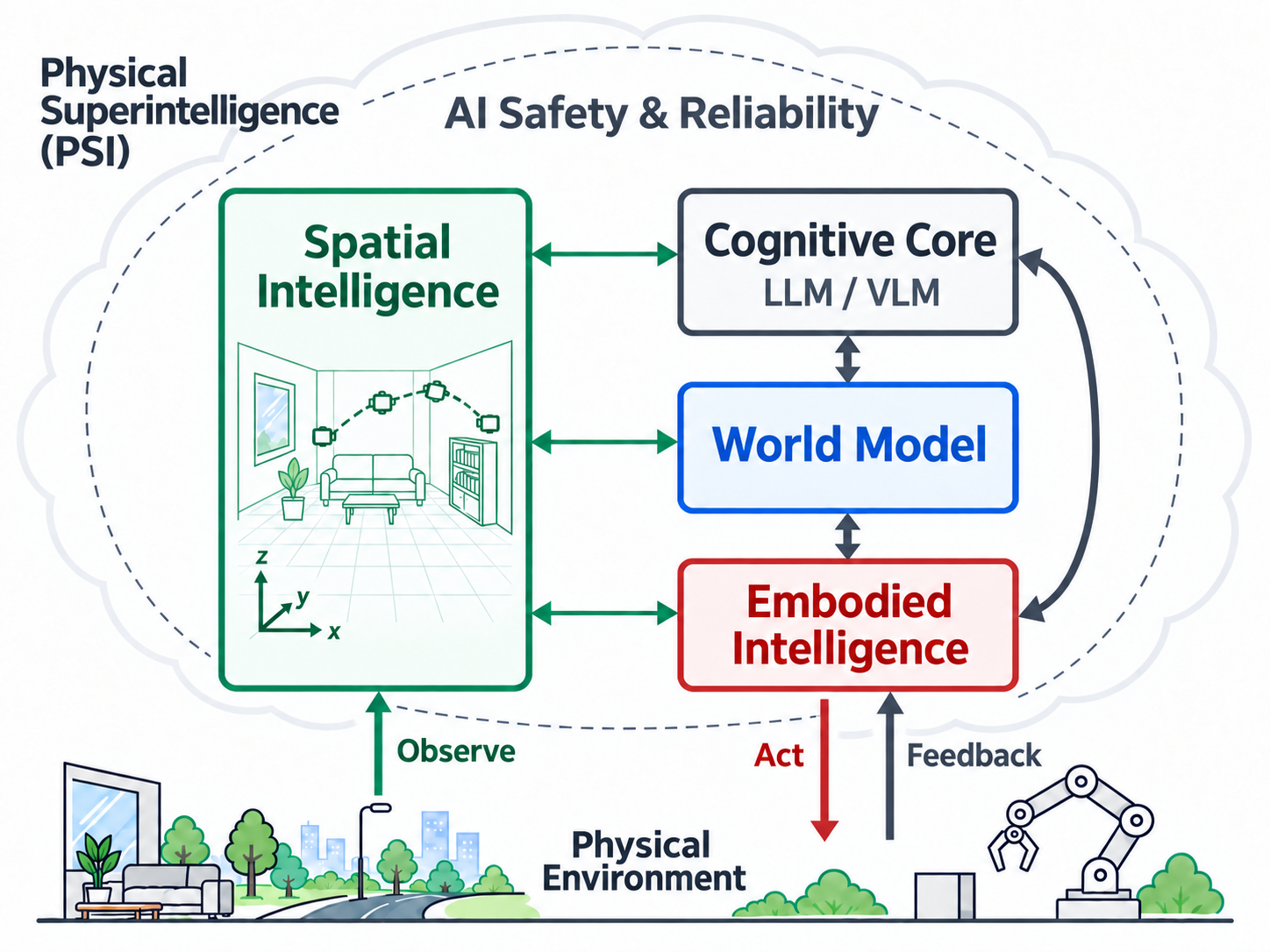
We study how LLMs and VLMs can work with spatial understanding, world models, and embodied control in a closed-loop agent system. Our goal is to connect reasoning with the physical world through observation, prediction, action, and feedback, with reliability and efficiency throughout.

Physical AGI System concept: shared spatial intelligence on the left connects bidirectionally to three levels on the right: an LLM/VLM cognitive core, a world model, and embodied intelligence. Reciprocal links connect the levels, including a direct cognition-to-action path. AI safety and reliability surround the system, which interacts with the physical environment through observation, action, and feedback.
Shared foundations Large Models AI Safety

Spatial Intelligence

Geometry, motion, and spatial memory

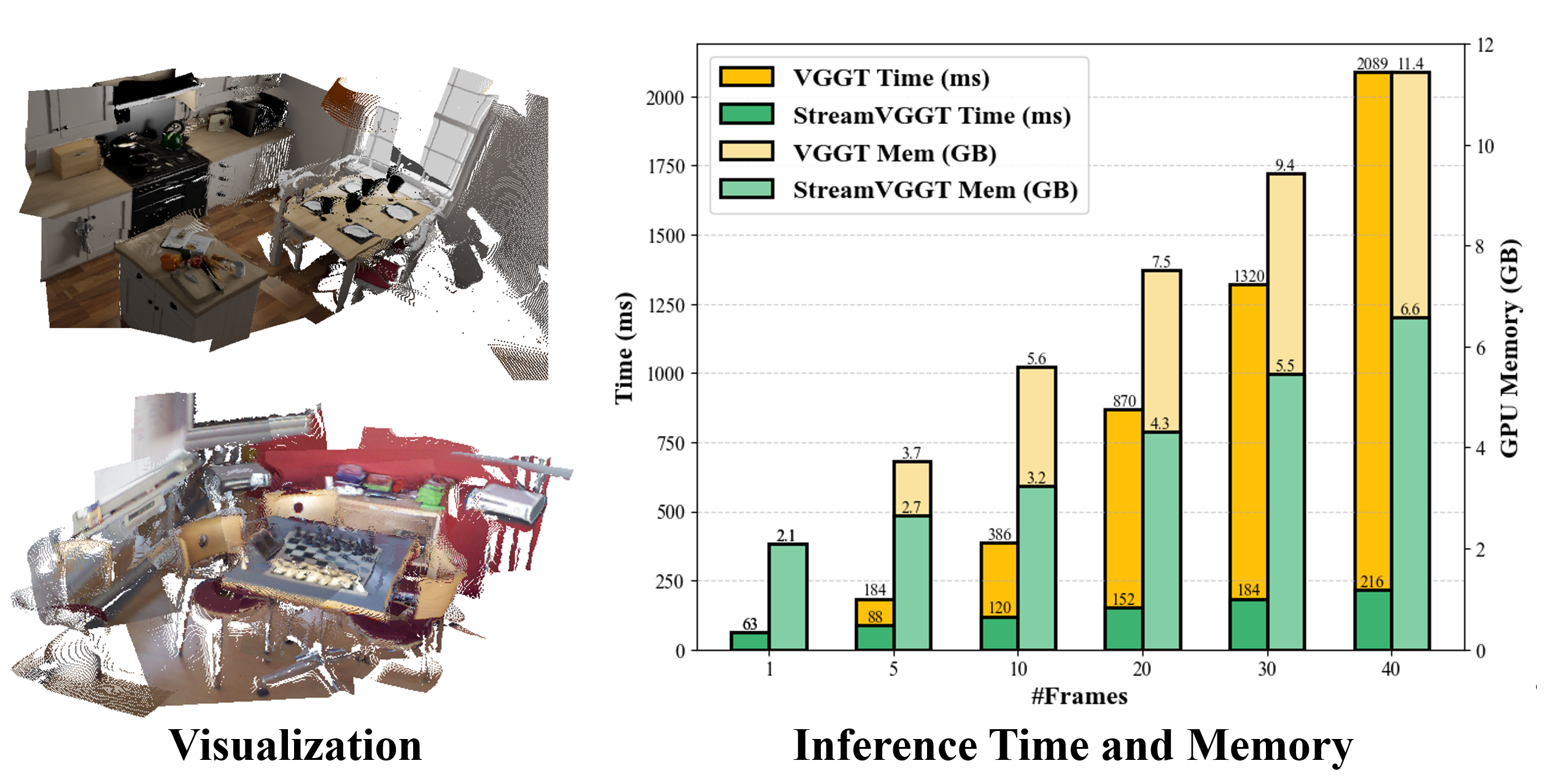
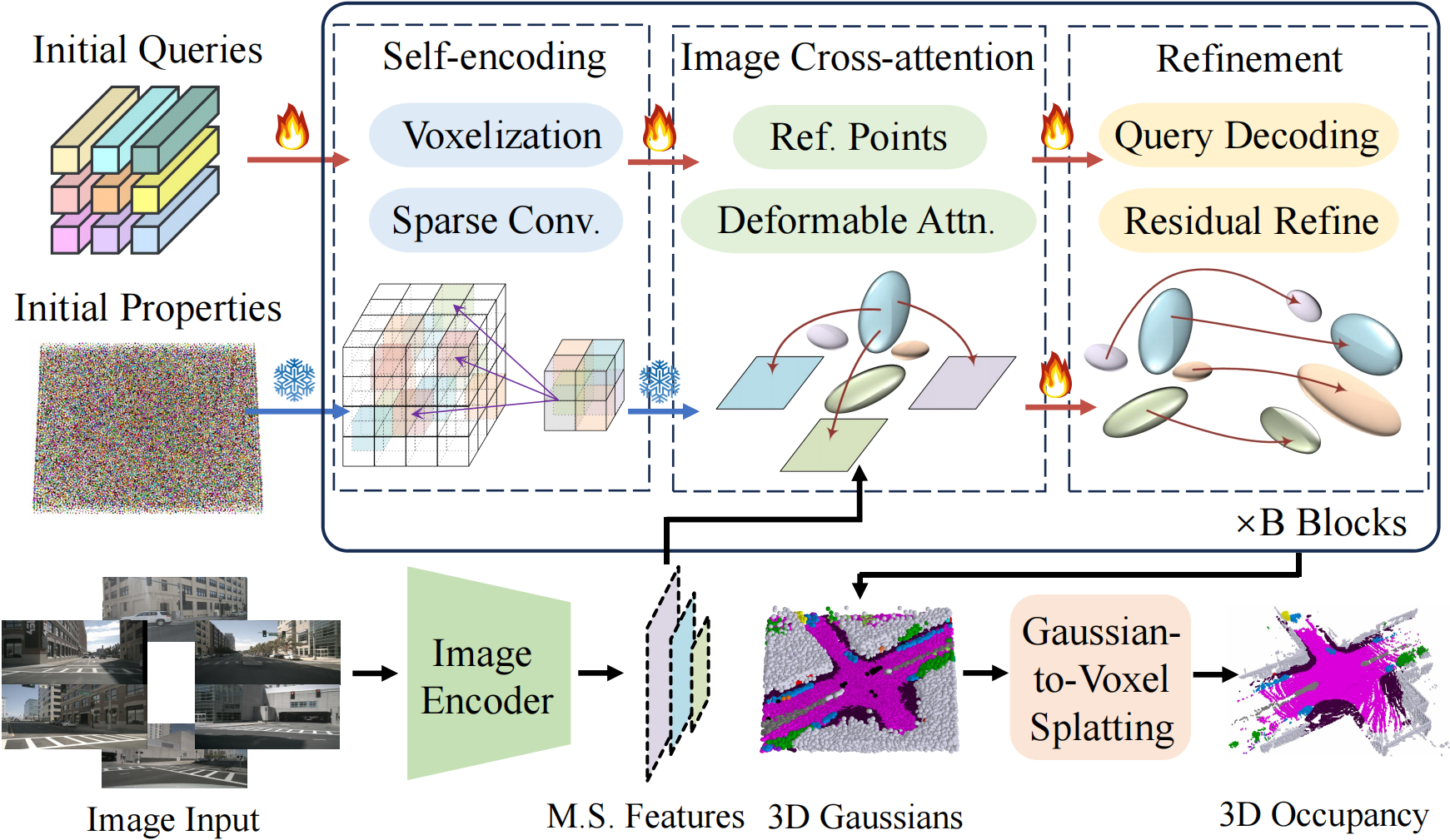
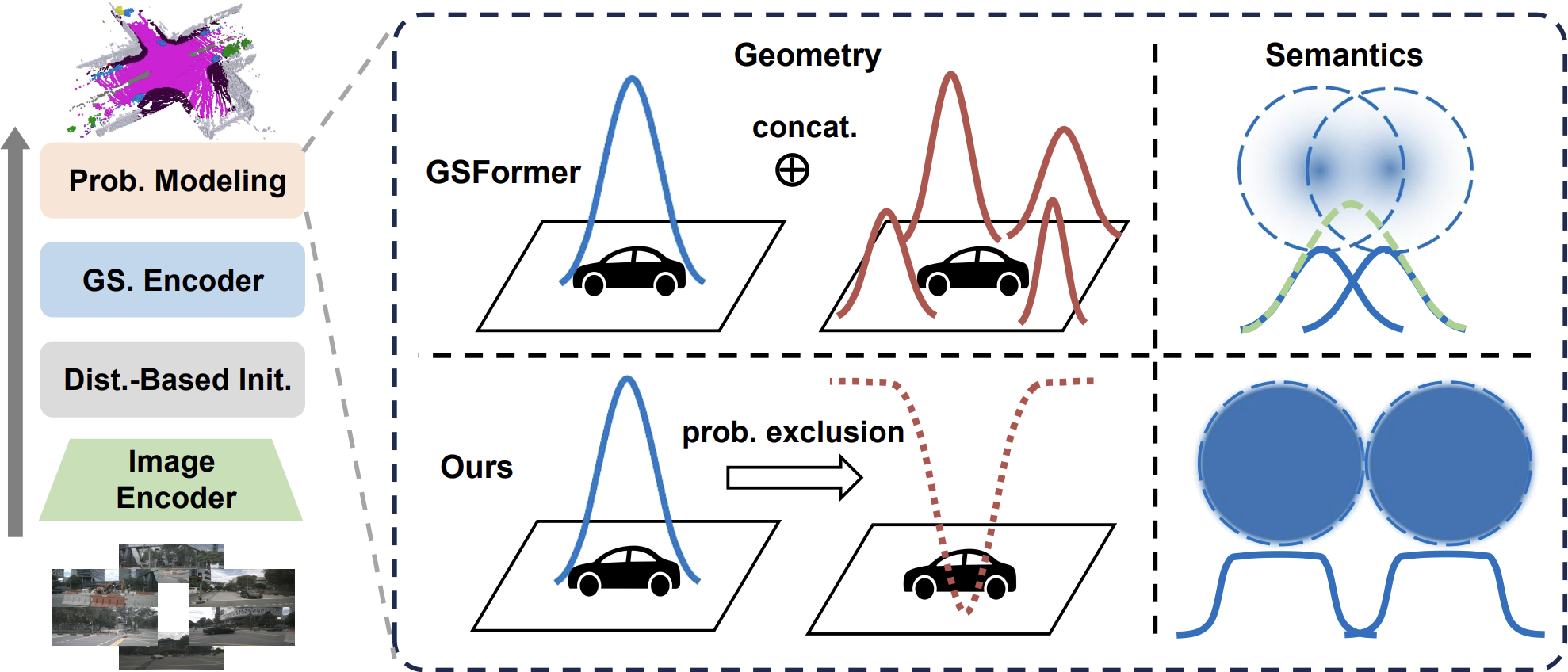
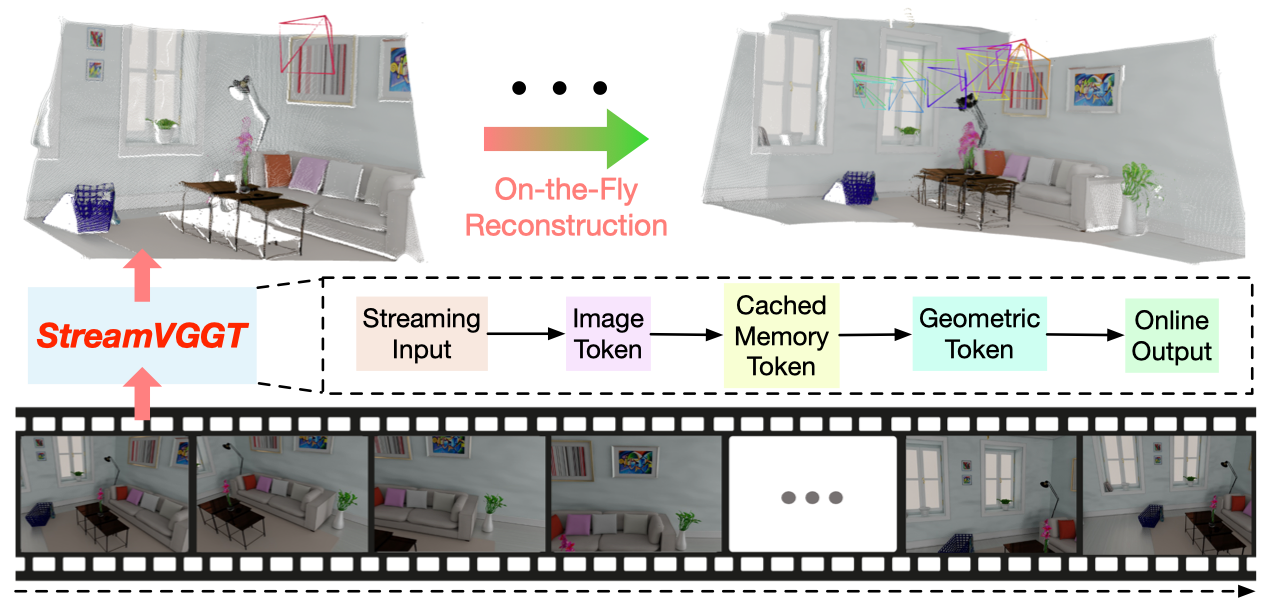
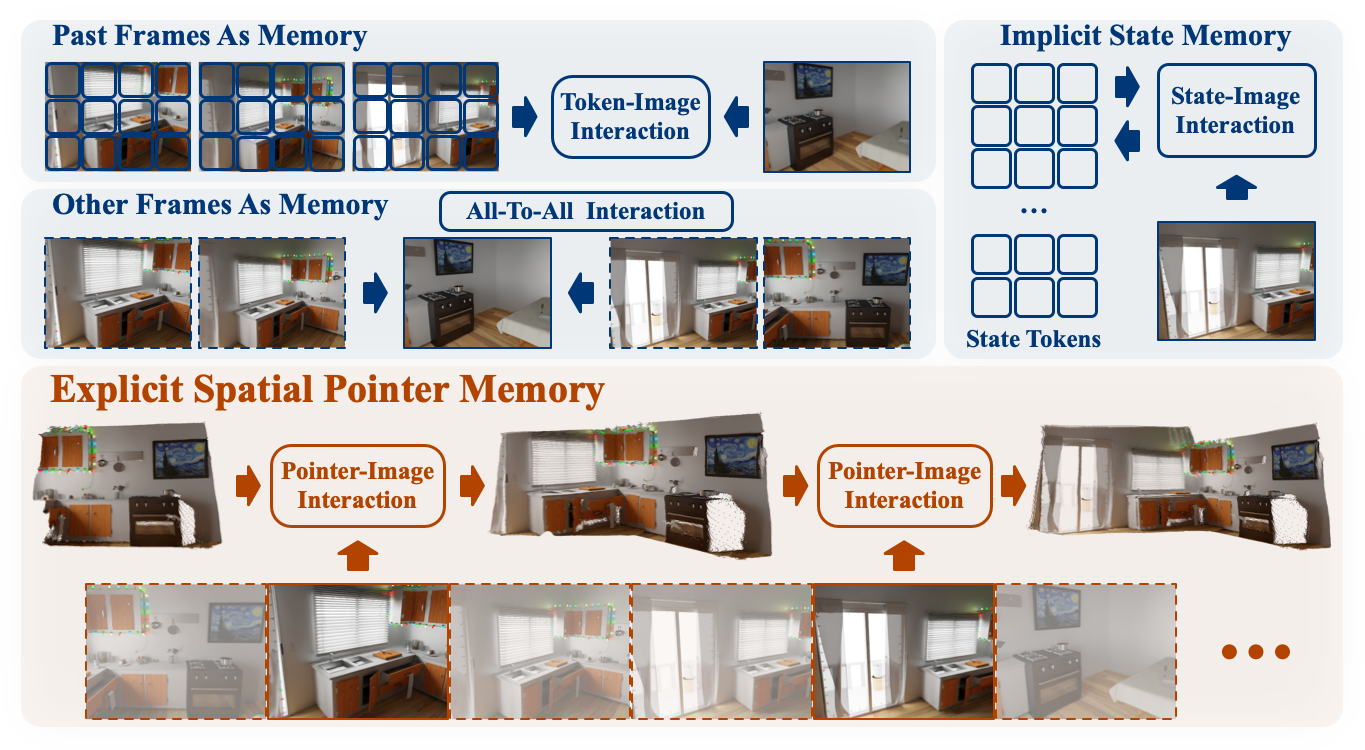
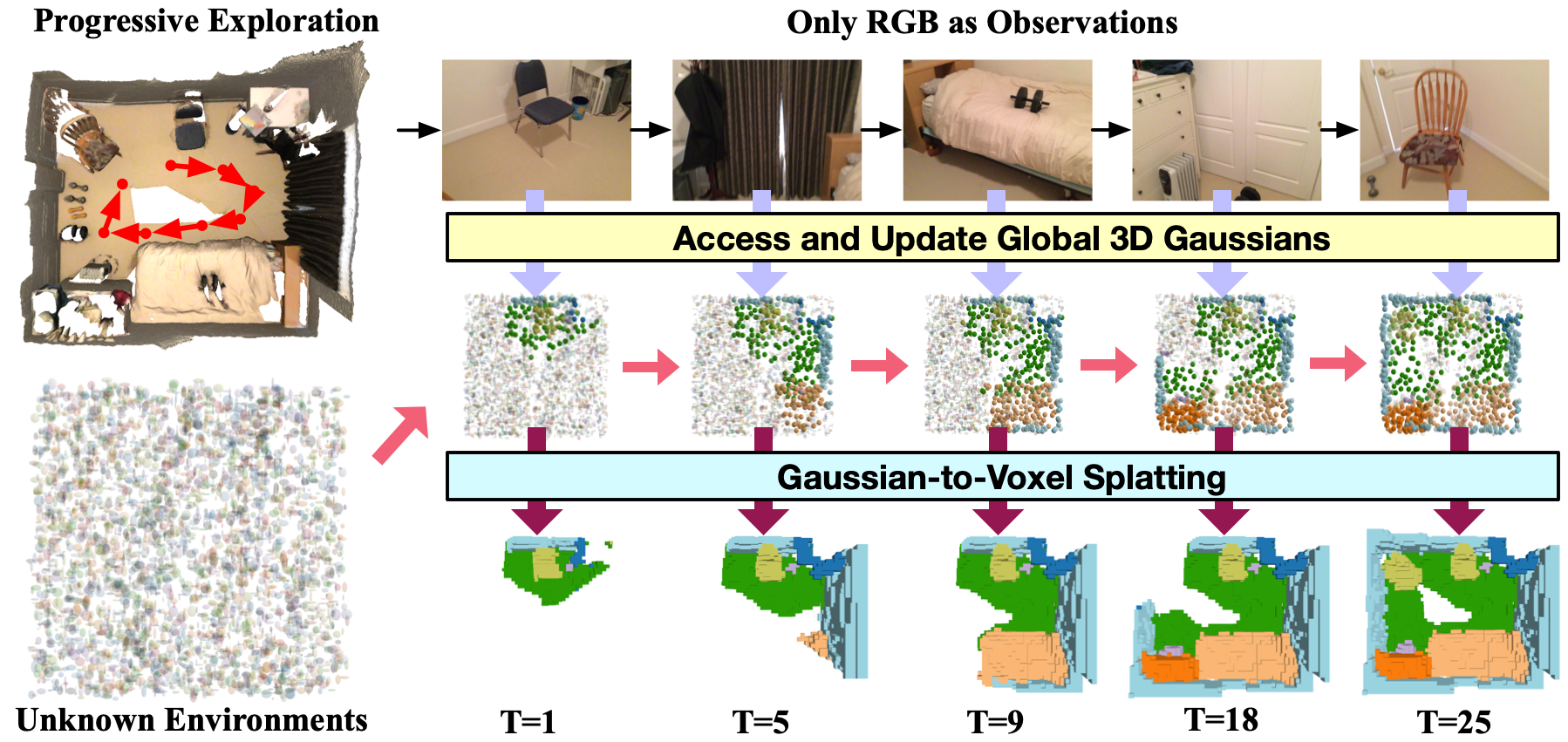
We reconstruct scenes from images and video, including their geometry and motion. Our work spans semantic occupancy, Gaussian representations, streaming reconstruction, and implicit surfaces. A recurring question is what to remember as new observations arrive.

  • Continuous scene geometry and surface reconstruction
  • Structured motion and 4D understanding
  • Spatial memory and online scene understanding
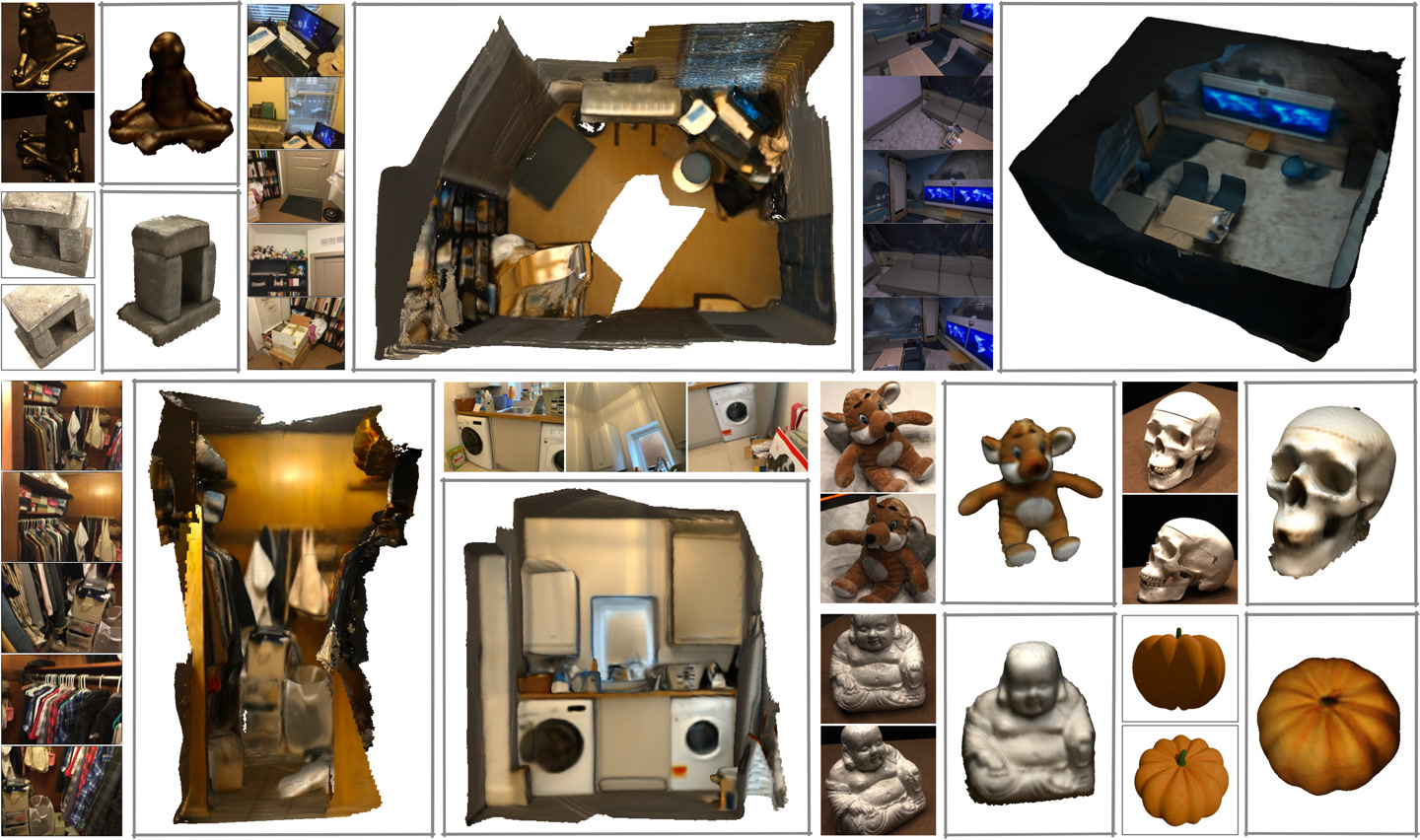
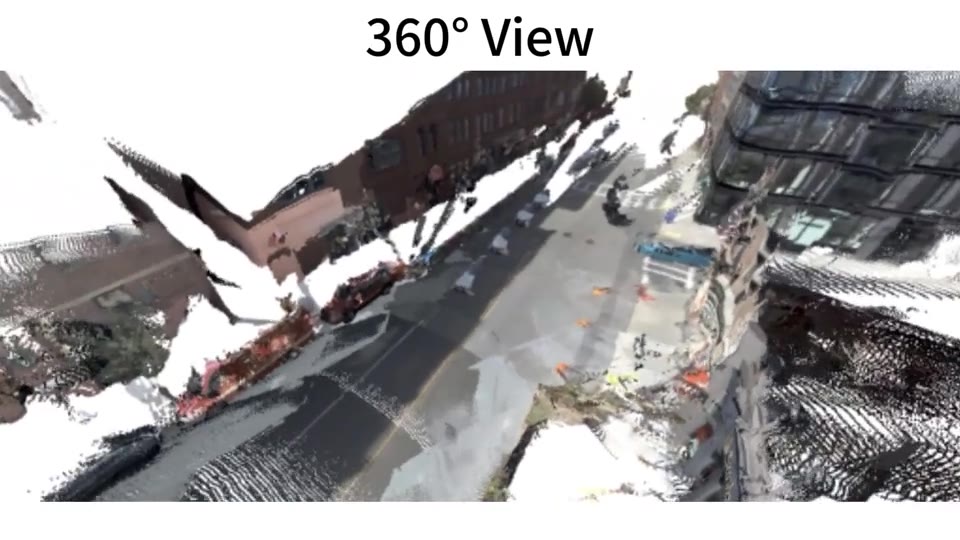
IVGT colored surface reconstructions across multiple scenes
IVGT: continuous surface reconstructionIVGT learns an implicit scene representation that supports coherent surface extraction and rendering from new viewpoints.
Reconstruction results · May 2026IVGT · Interactive 3D comparison
Related work & resources

Research timeline

Choosing a scene representation

Our view is not a simple progression in which one representation replaces another. Depth, occupancy, points, Gaussians, and implicit fields offer different trade-offs. We want to retain the geometry, motion, and uncertainty that an agent needs to predict and act.

  1. Explored in our workRepresent occupied space
  2. Explored in our workMaintain geometry and motion
  3. Open research goalBuild action-relevant memory

Open question Which information must persist across observations, and which detail can be discarded without compromising a later decision?

  1. 2023

    Occupancy & self-supervision

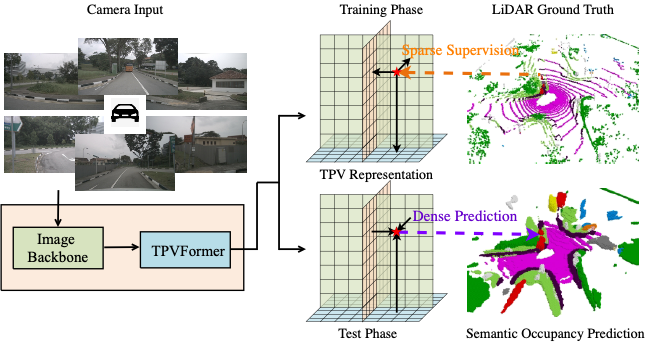
    SurroundOcc predicts occupancy from surround cameras and generates dense supervision from sparse LiDAR scans.
    Dense occupancy and label generation

    Describe complete space, then reduce the cost of supervision.

    More work · 1
  2. 2024

    Gaussian scene representations

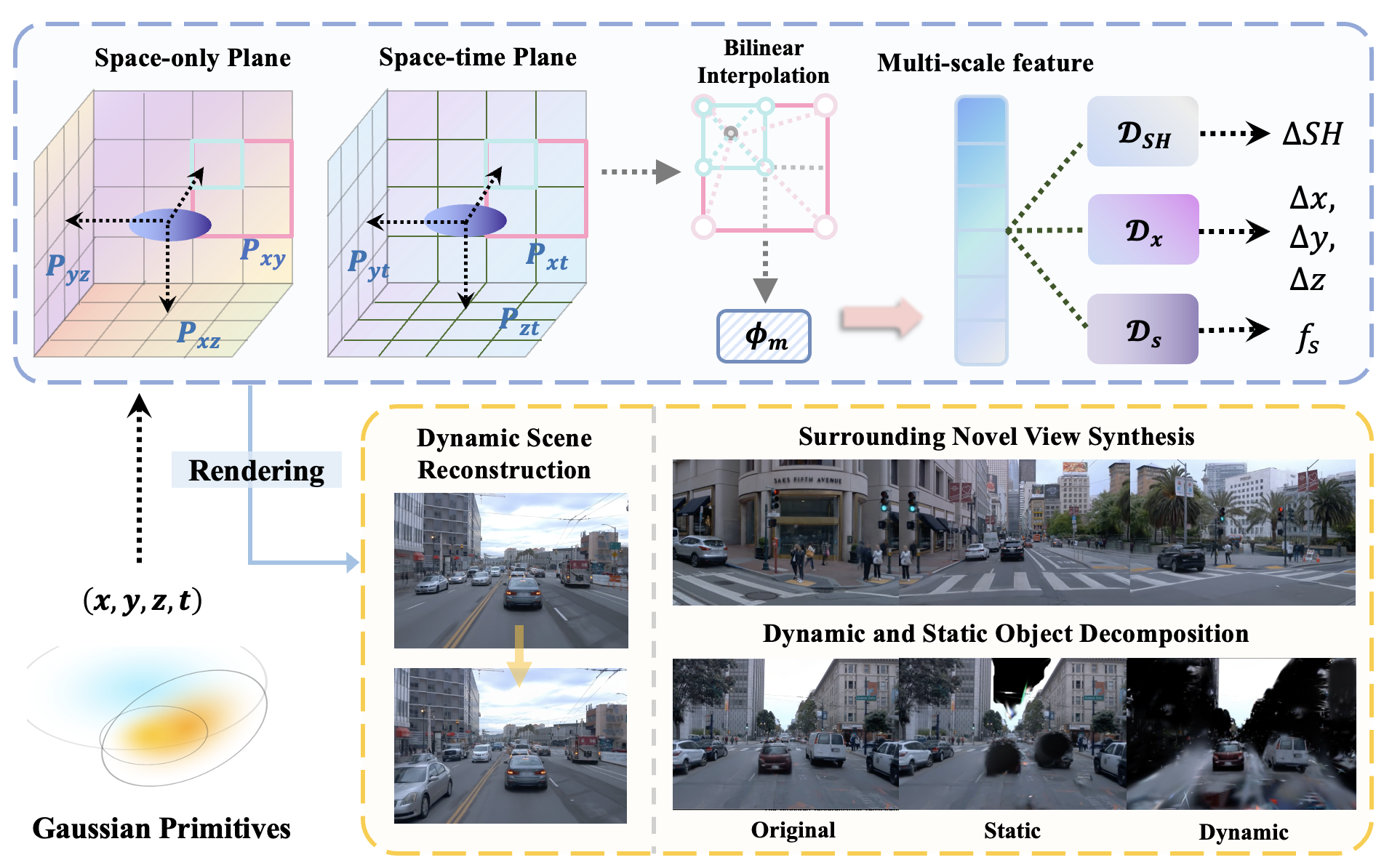
    S3Gaussian combines spatial-temporal features with Gaussians to reconstruct streets, render novel views, and separate static and dynamic content.
    Self-supervised dynamic street reconstruction

    Allocate sparse scene elements where geometry and motion need them.

    More work · 1
  3. 2025–2026

    Streaming geometry & memory

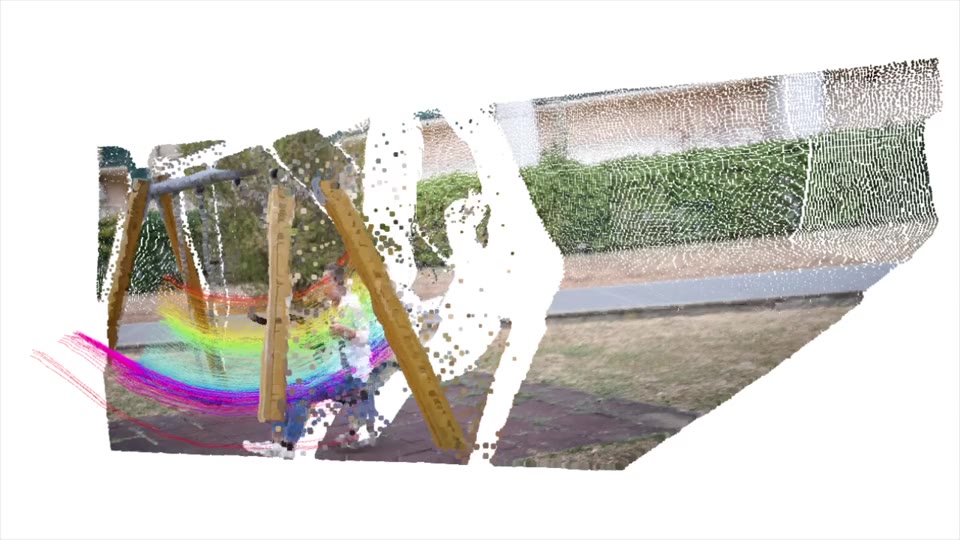
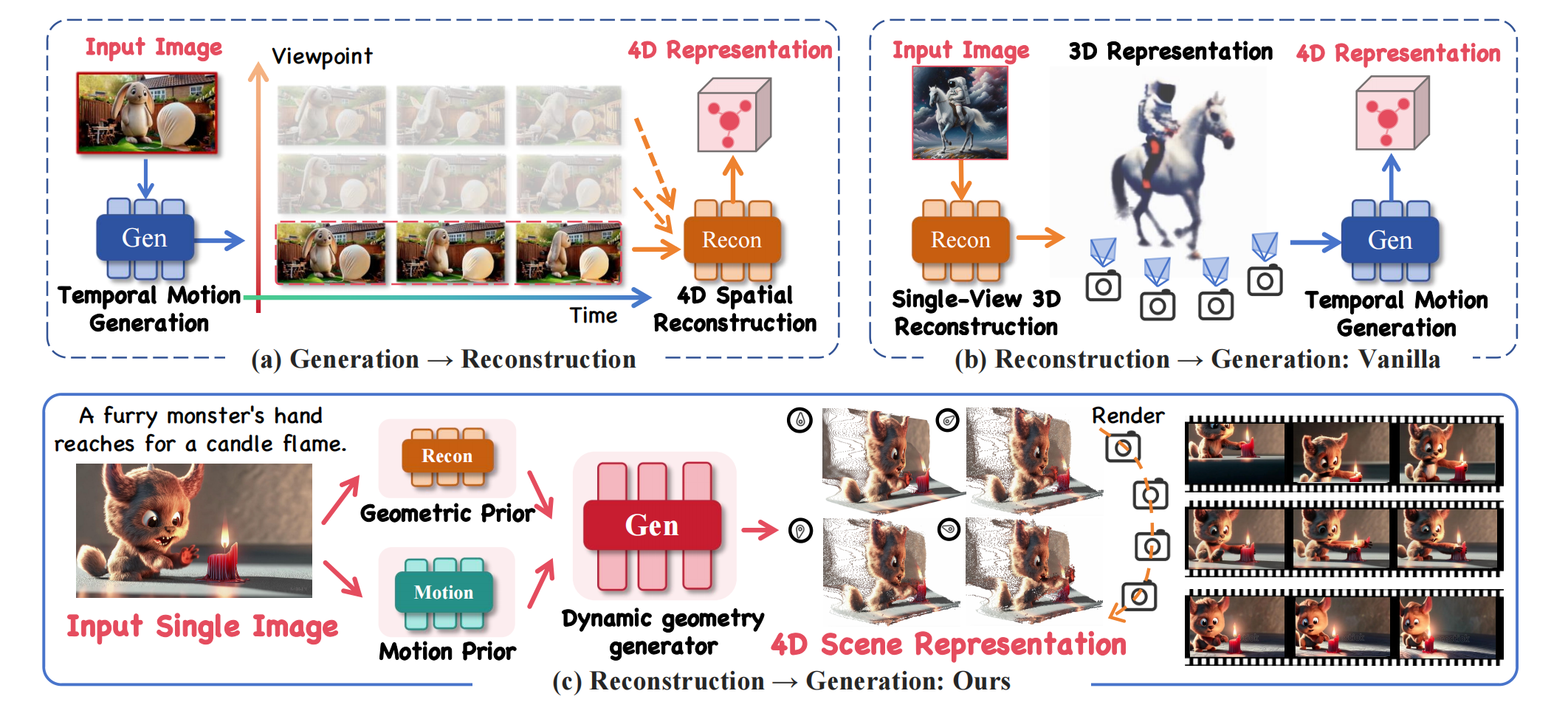
    SM4RT reconstruction of a moving swing with colored motion trajectories.
    Structured 4D motion

    Maintain geometry over time, from points to surfaces and motion.

    More work · 2

GitHub snapshot: · Repository totals, not historical counts at each milestone.
Semantic Scholar citations: · Paper-level counts; coverage differs from Google Scholar. Unavailable is not zero.

World Modeling

Generative representations and world dynamics

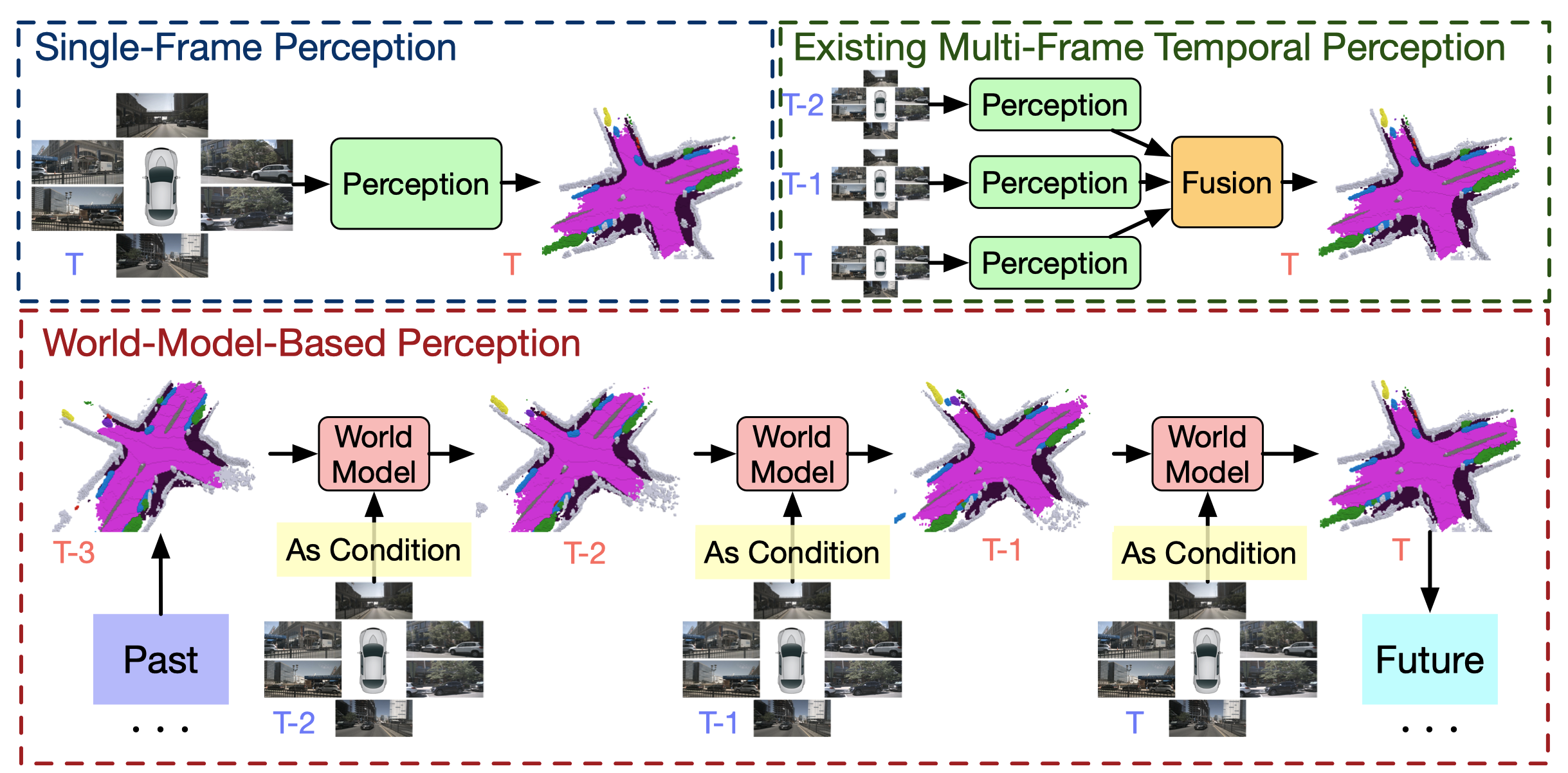
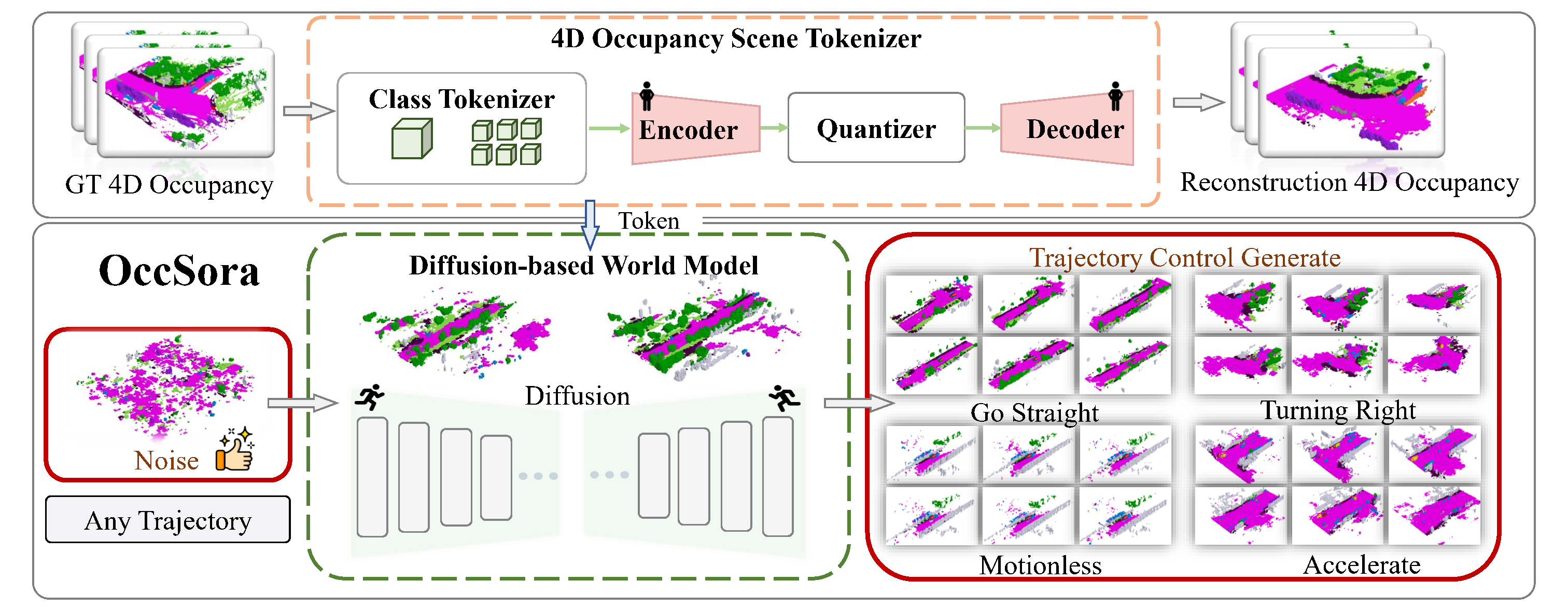
We study how to represent and generate a changing world. SVG develops semantic representations for generation; OccWorld and OccSora model 3D scene dynamics; Astra predicts visual sequences under different actions.

  • Action-conditioned visual generation
  • Prediction of 3D scene dynamics
  • Generative foundation models
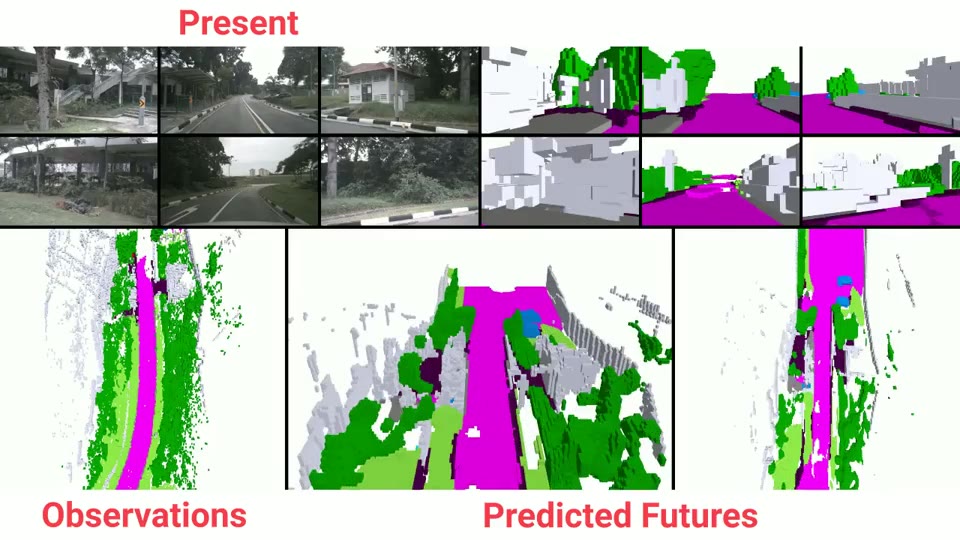
Astra: generated left-turn sequenceA prerecorded, action-conditioned video generation from Astra. The right-turn example explores a different trajectory from the same scene.
10-second clip · Generated videoAstra · Full demos
Related work & resources

Research timeline

What makes a prediction useful?

SVG studies semantic representations for generation; OccWorld and OccSora model 3D scene dynamics; Astra explores action-conditioned video. These are complementary strands, not a single chain of inherited models. Our hypothesis is that useful world models need both a strong generative foundation and predictions that distinguish the consequences of actions.

  1. Explored in our workForecast scene dynamics
  2. Explored in our workCondition futures on actions
  3. Open research goalTest decisions through interaction

Open question Can the model expose when a prediction is unreliable, and can an agent use that signal to choose a better action?

  1. 2023–2024

    Generate scene dynamics

    OccSora encodes 4D occupancy and generates scenes for different trajectory conditions.
    Trajectory-conditioned 4D generation

    Move from a static 3D state to possible scene evolutions.

  2. 2025

    Generative foundations

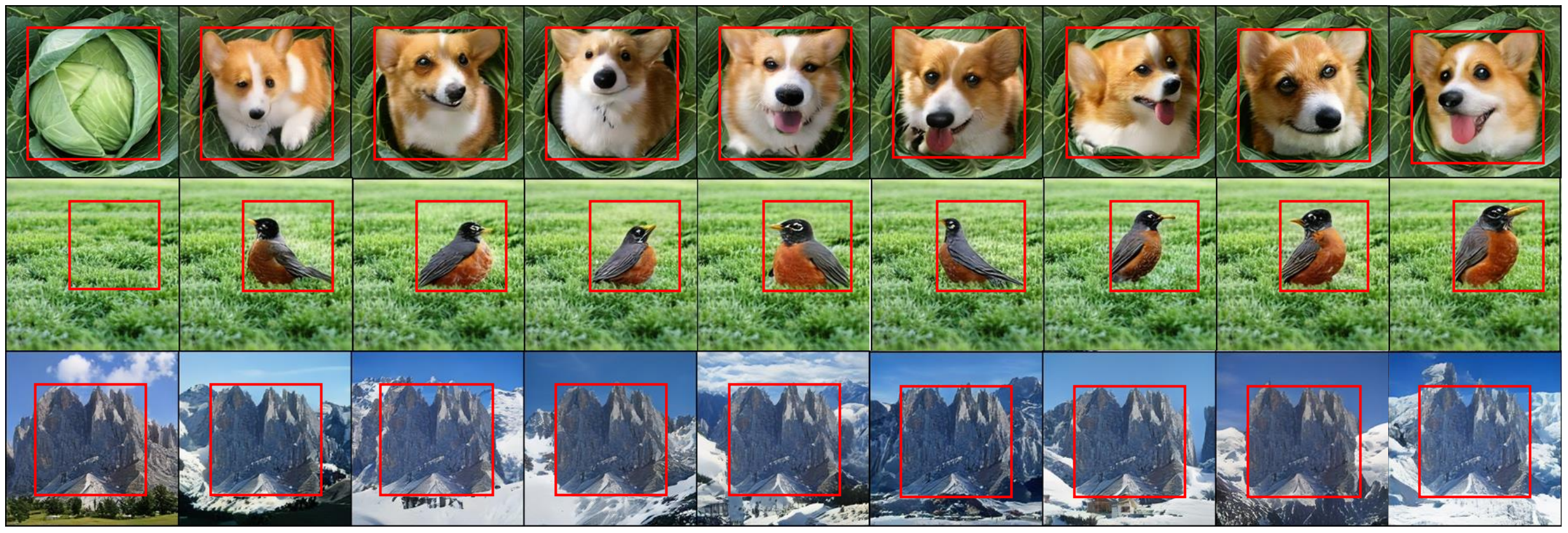
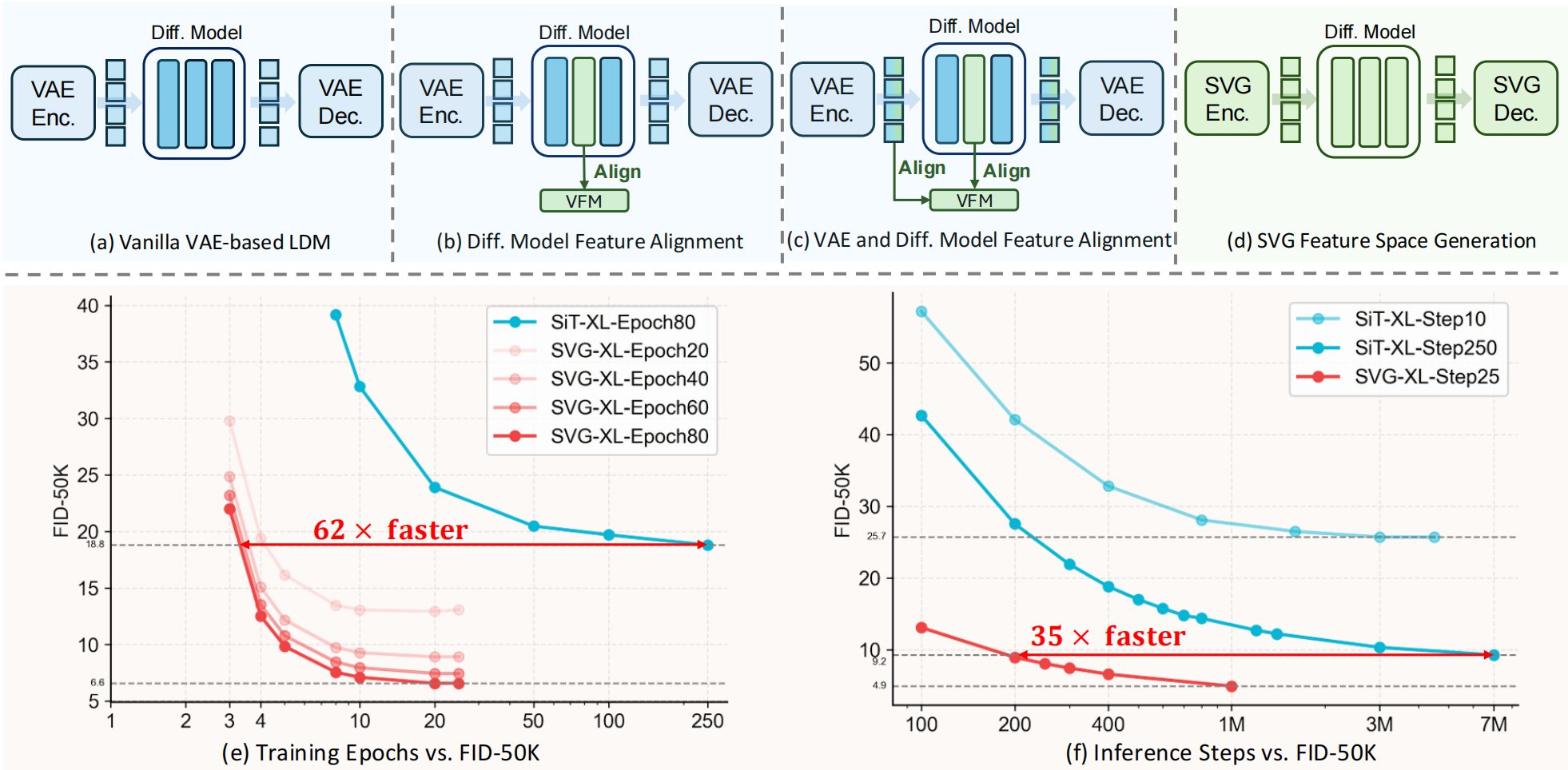
    SVG contrasts VAE-based diffusion with generation in a semantic visual feature space.
    Generative foundation model

    Give visual generation a semantically structured latent space.

  3. 2025

    Action-conditioned futures

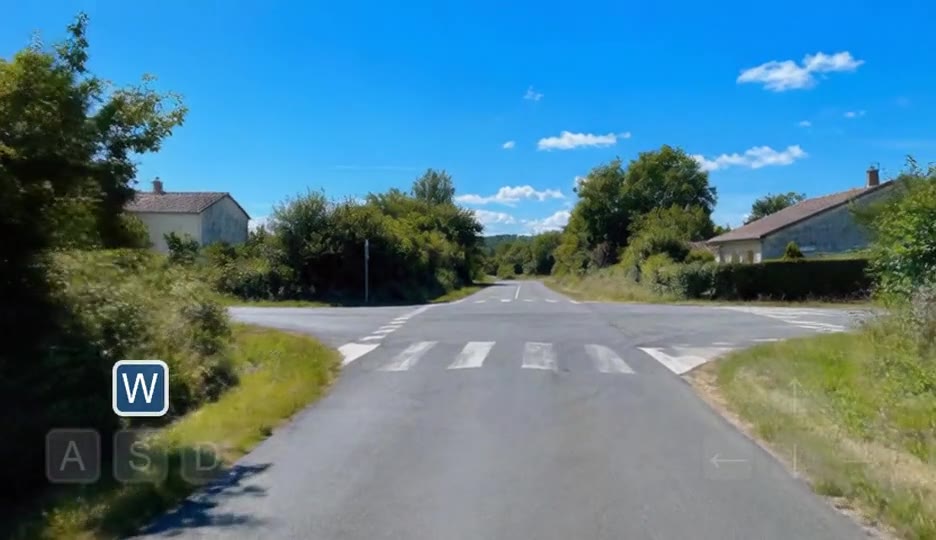
    A frame from Astra's action-conditioned driving video demo at an intersection.
    Generated driving video

    Ask how an observation changes when the action changes.

GitHub snapshot: · Repository totals, not historical counts at each milestone.
Semantic Scholar citations: · Paper-level counts; coverage differs from Google Scholar. Unavailable is not zero.

Embodied Intelligence

Planning from visual observations

In autonomous driving, we connect scene geometry and future prediction to trajectory planning. Recent work also studies language instructions and online reconstruction. We are interested in how an agent revises its plan when new observations disagree with its predictions.

  • Generative prediction and driving planning
  • Streaming vision-geometry-action models
  • Instruction-conditioned trajectory planning
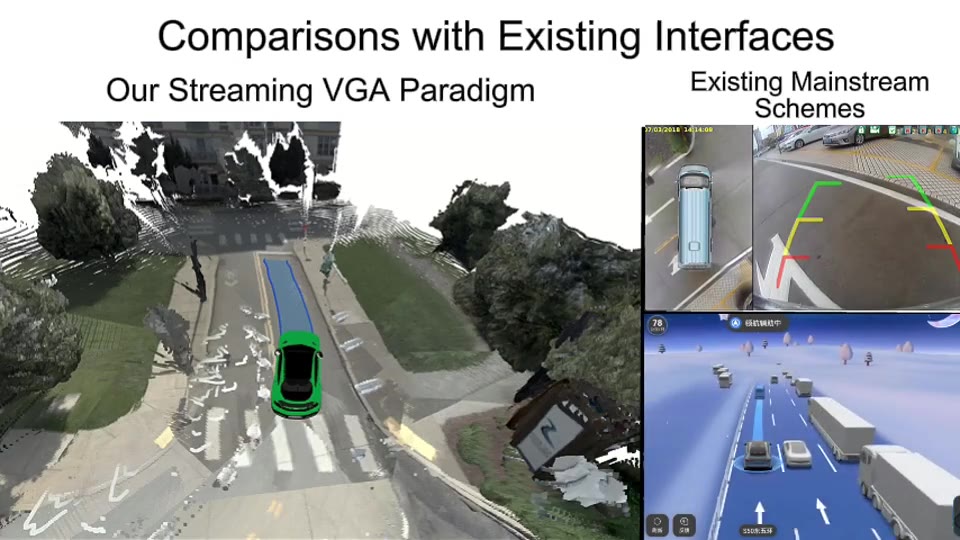
DVGT-2: reconstruction and trajectory planningDVGT-2 jointly reconstructs dense geometry and predicts trajectories from streaming visual observations.
10-second excerpt · Planning visualizationDVGT-2 · Full demo
Related work & resources

Research timeline

Planning and feedback

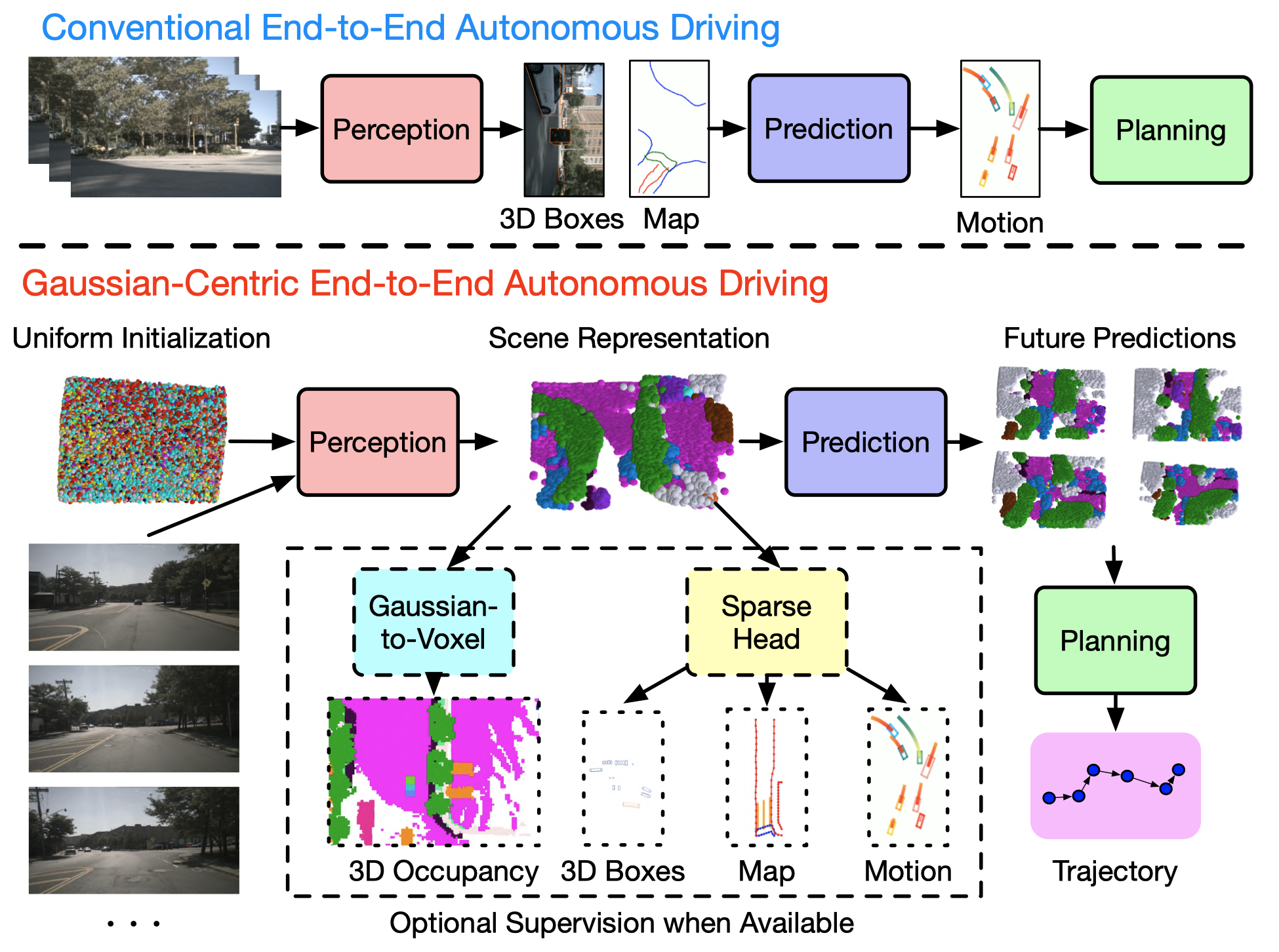
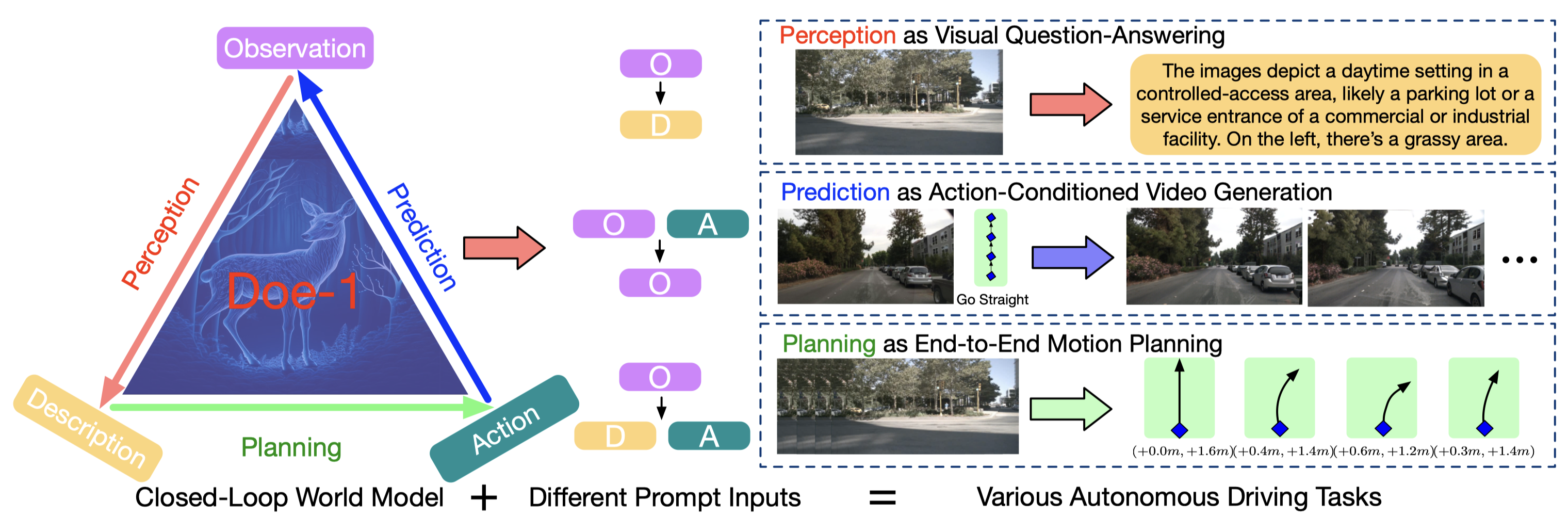
GenAD explores joint future generation; GaussianAD and DVGT-2 ground plans in 3D structure; Vega adds language instructions. Doe-1 explores a loop between driving and world modeling. Our next challenge is reliable recovery when observations contradict a plan: offline scores or a model-based loop alone do not establish real-world reliability.

  1. Explored in our workGenerate trajectories jointly
  2. Explored in our workGround plans in instructions and geometry
  3. Open research goalRevise plans with feedback

Open question When reality departs from the prediction, how should the agent detect the mismatch, update its understanding, and replan?

  1. 2024.02

    Joint future generation

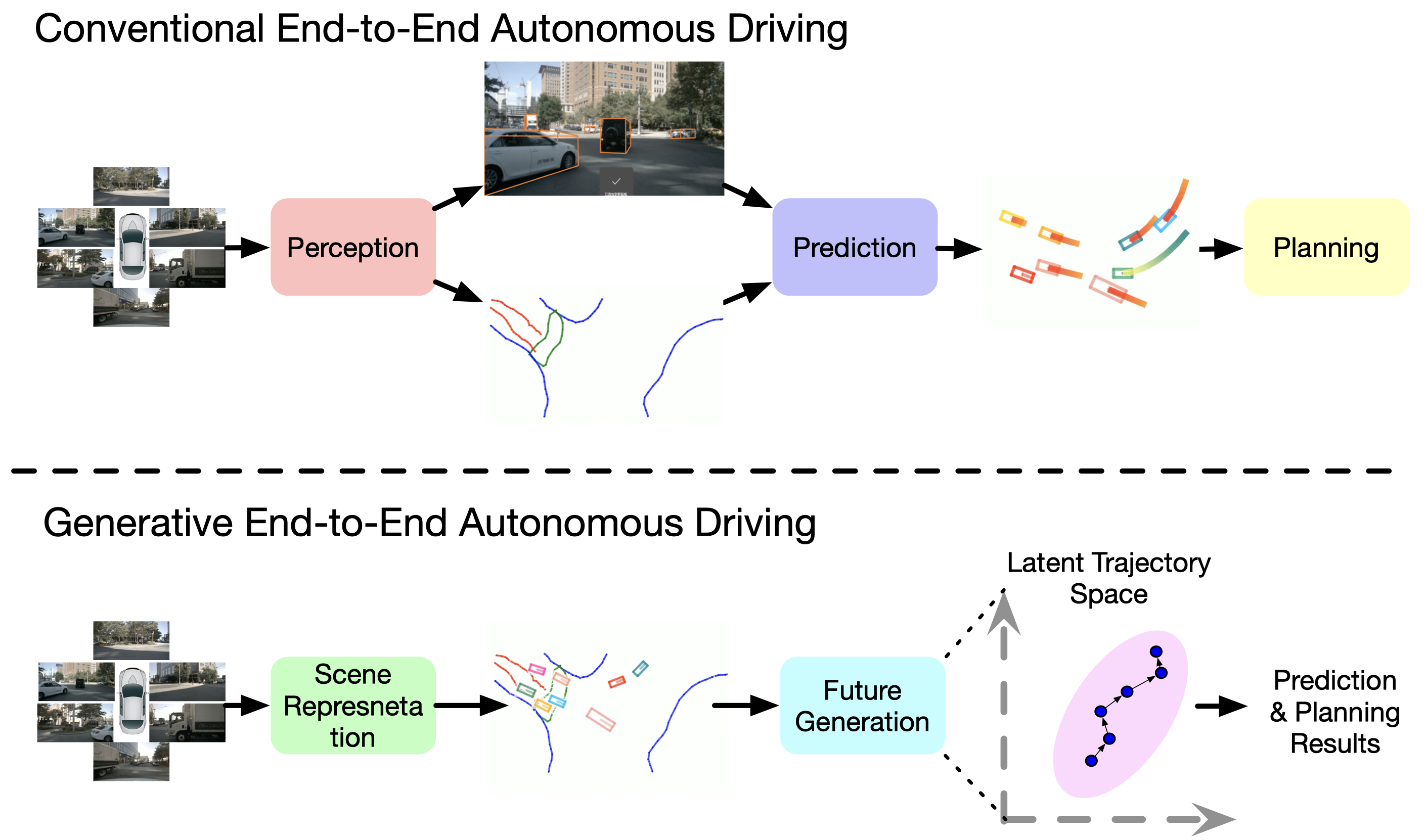
    GenAD contrasts a sequential perception-prediction-planning pipeline with joint future generation.
    Generative driving paradigm

    Bring prediction and planning into the same generative problem.

  2. 2024.12

    Structure & model-based loops

    GaussianAD links semantic Gaussian perception to future scene prediction and trajectory planning.
    Gaussian-centric driving

    Connect spatial representations and imagined futures to decisions.

  3. 2026

    Language & geometry to action

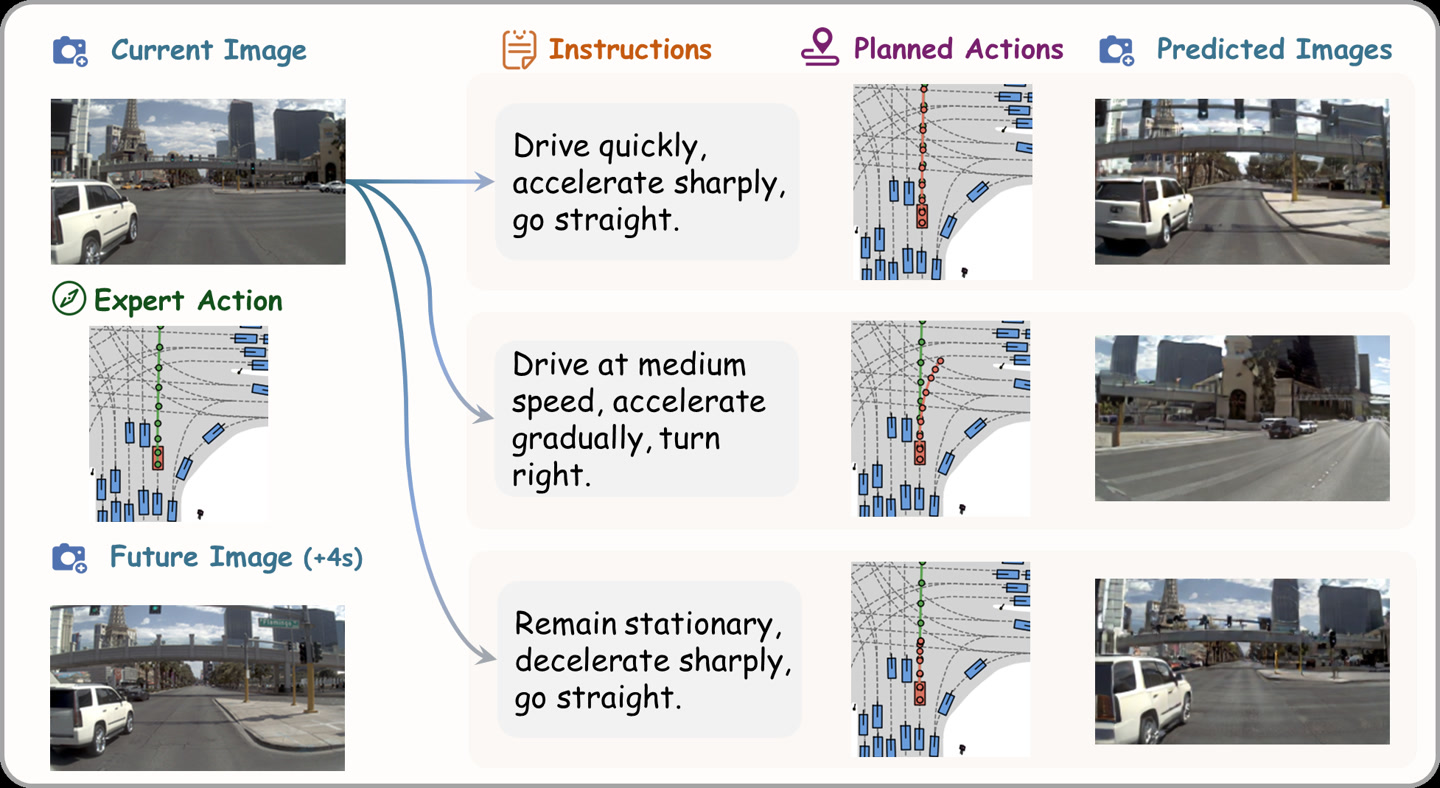
    Vega produces different driving trajectories and future images for different instructions in the same scene.
    Instruction-conditioned plans

    Ground requested behavior in instructions and a reconstructed scene.

GitHub snapshot: · Repository totals, not historical counts at each milestone.
Semantic Scholar citations: · Paper-level counts; coverage differs from Google Scholar. Unavailable is not zero.

Large Models and AI Safety

Across understanding, prediction, and action, we need models that can reason over rich observations, and ways to examine when their outputs should be trusted.

Large models as the agent's brain

Our aim is to give agents a cognitive core that connects perception, language, reasoning, and decisions. Our current work develops two ingredients: efficient multimodal inference and spatially grounded understanding.

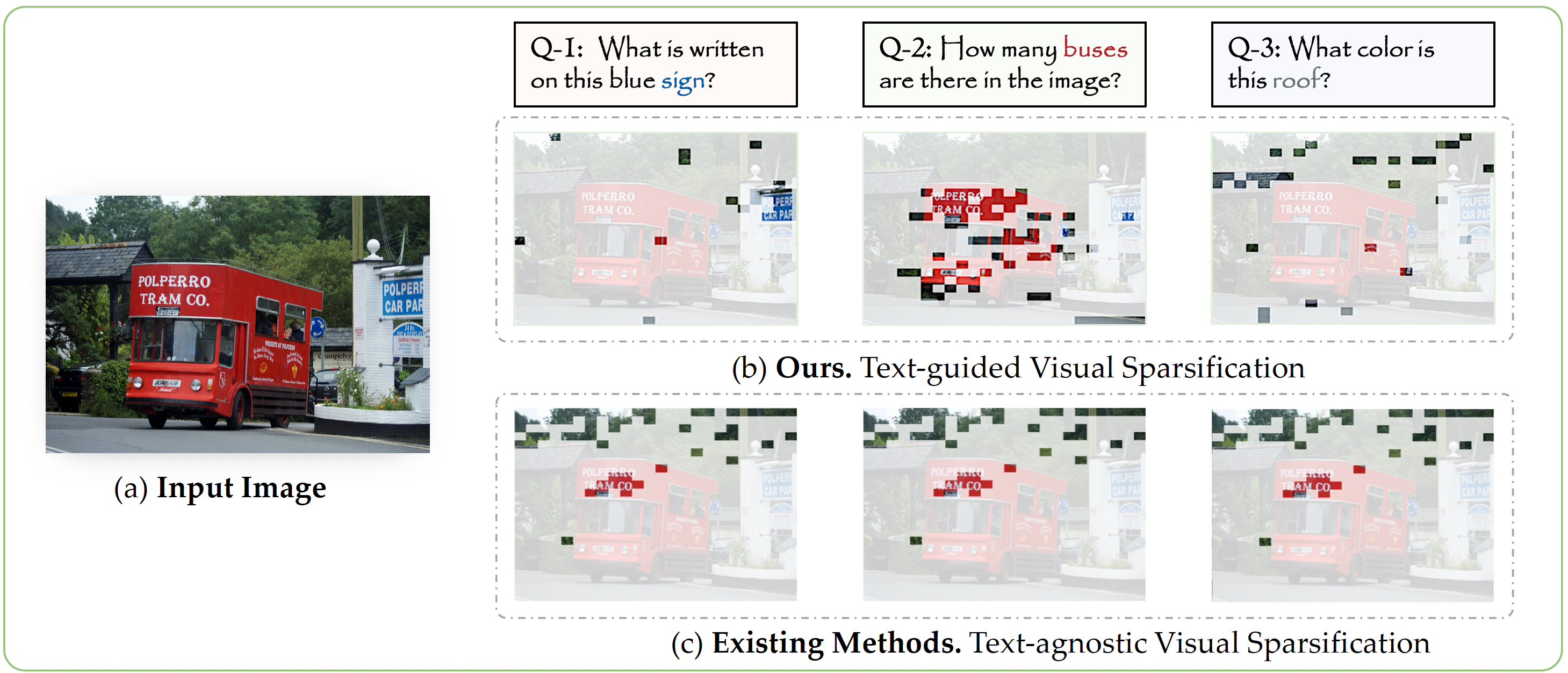
  • SparseVLMReduce visual tokens while retaining evidence relevant to the question.
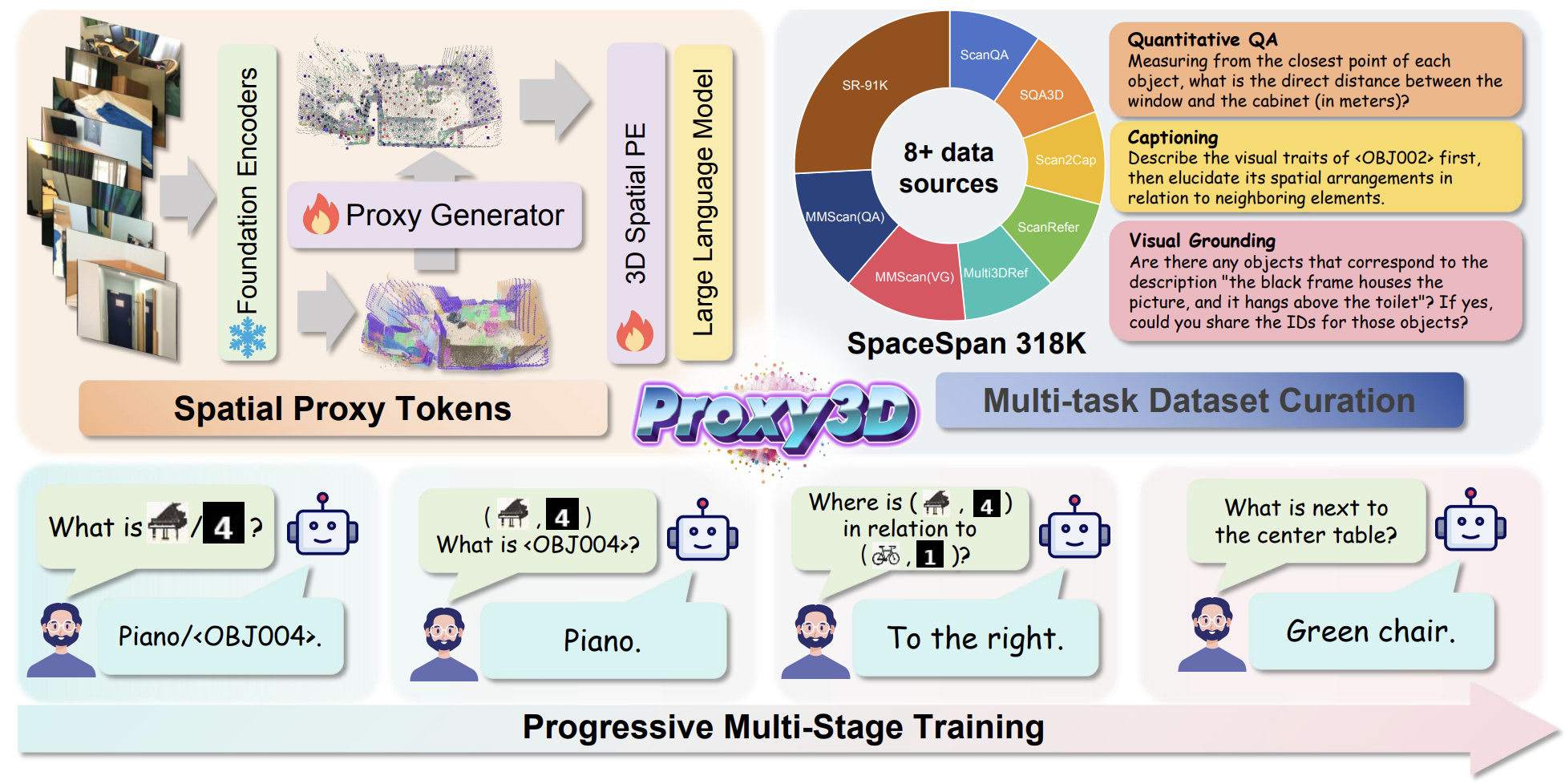
  • Proxy3DConnect compact 3D representations to a vision-language model's spatial reasoning.

AI Safety: inspect the evidence

Our current entry point is generated-content verification: detecting synthetic images and identifying visible failures in generated videos, with evidence people can inspect.

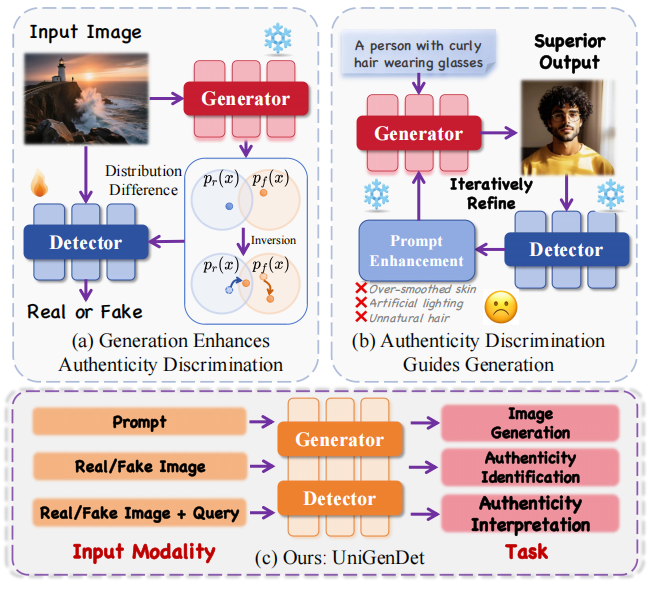
  • UniGenDetJointly learn image generation and generated-image detection, with interpretable feedback.
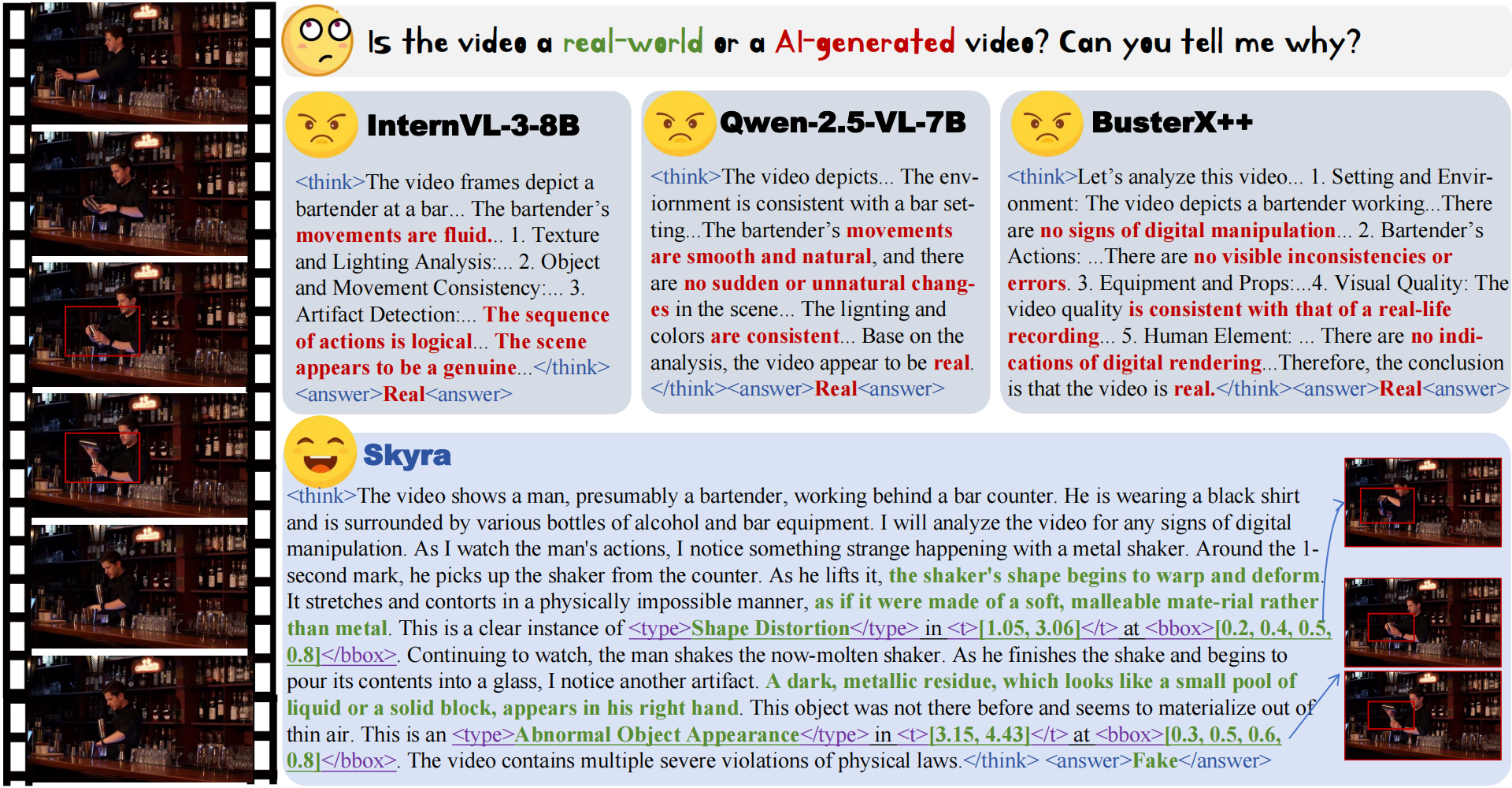
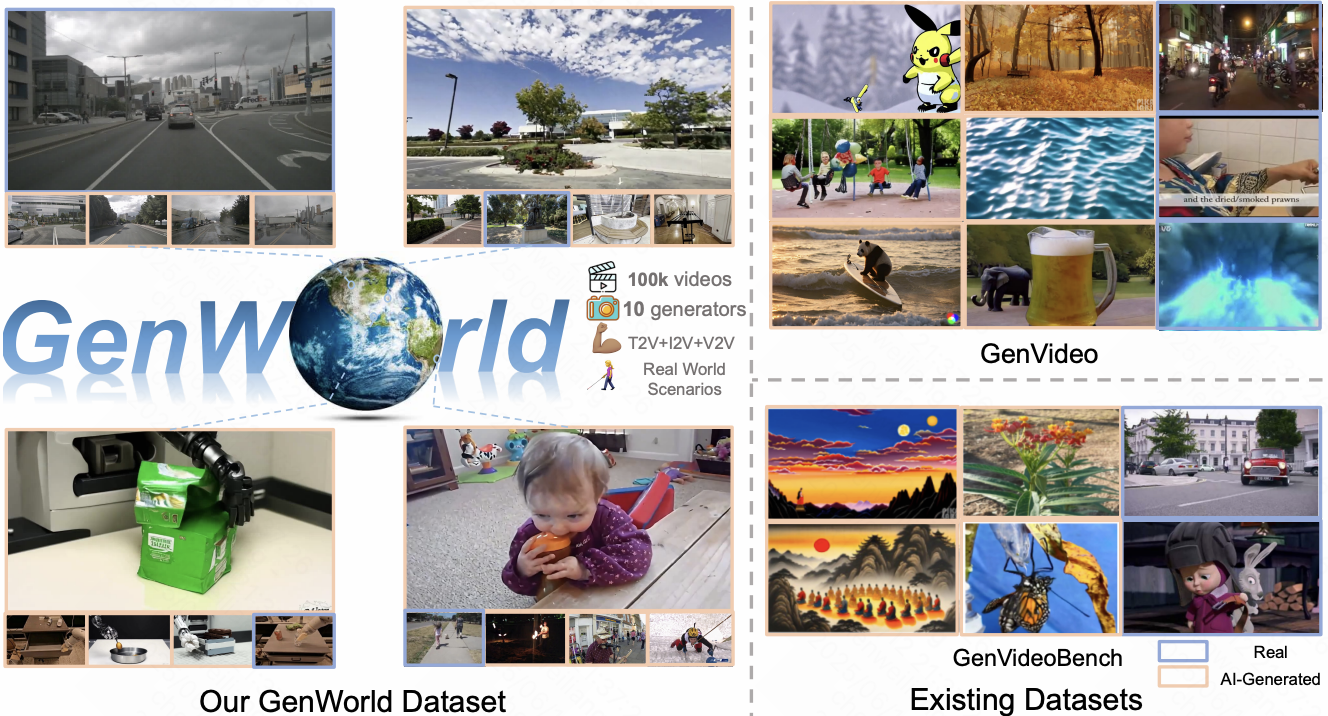
  • SkyraLocate video artifacts in space and time, and explain what went wrong.

Looking ahead, we want to extend verification to world-model predictions and agent action risks. These remain open goals, not safety guarantees established by the current work.

Research timeline

  1. 2019

    Representation learning

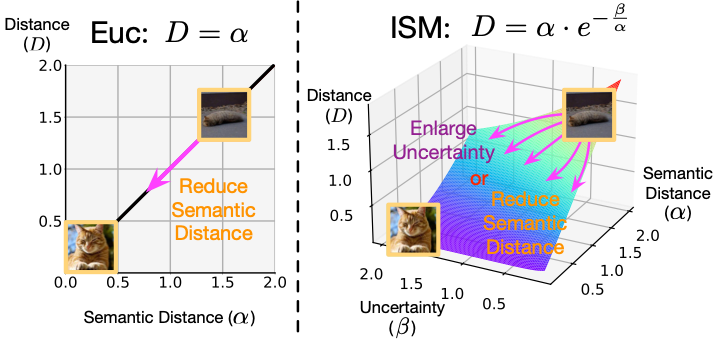
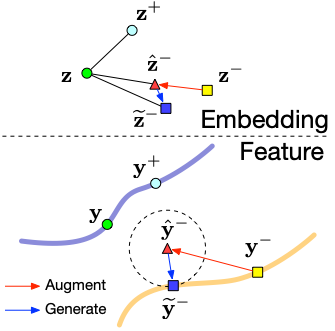
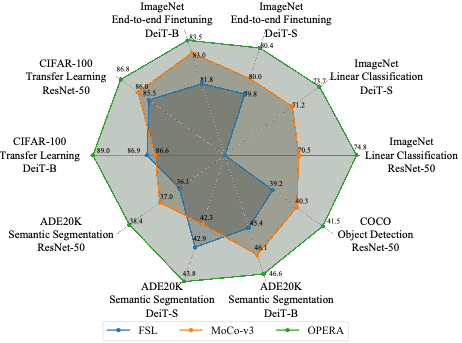
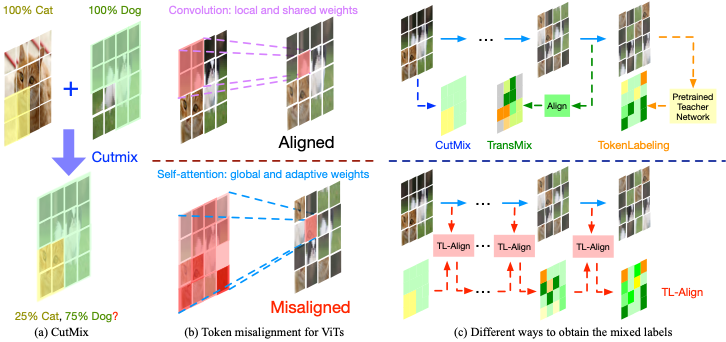
    HDML manipulates sample difficulty in embedding space and generates corresponding features.
    Earlier representation learning

    Shape the embedding space with more informative training examples.

  2. 2024

    Efficient multimodal inference

    SparseVLM retains different visual tokens according to the question being asked.
    Efficient multimodal inference

    Retain the visual evidence that matters to the question.

  3. 2025–2026

    Spatial reasoning & verification

    Skyra compares video artifact explanations and grounds its findings with bounding boxes and timestamps.
    Video artifact localization and explanation

    Give models spatial evidence to reason with, and make generated-content failures inspectable.

GitHub snapshot: · Repository totals, not historical counts at each milestone.
Semantic Scholar citations: · Paper-level counts; coverage differs from Google Scholar. Unavailable is not zero.

Questions we are working on

Our longer-term aim is a loop in which models inform action, actions reveal new evidence, and that evidence improves both the model and the agent.

Persistent understanding

Bring spatial memory and dynamic prediction together, so an agent can maintain an evolving model of its environment.

Learning through interaction

Use predicted outcomes to guide decisions, then learn from the gap between imagined and observed consequences.

Efficient and verifiable models

Develop compact representations and efficient inference, alongside ways to inspect predictions and identify their limitations.

About me

I am a postdoctoral fellow in EECS at UC Berkeley, affiliated with BAIR and Berkeley DeepDrive, working with Kurt Keutzer. I received my Ph.D. in Automation from Tsinghua University, advised by Jie Zhou and Jiwen Lu, and my B.S. in Physics from Tsinghua.

Contact and collaboration

I welcome conversations with students and collaborators interested in world models, embodied agents, and reliable physical intelligence. For in-person or remote research internships at BAIR, please get in touch.

wzzheng@berkeley.edu

Research figure